
Home / Who We Help / Augmented and Virtual Reality
Schell IP helps augmented reality and virtual reality teams evaluate patent questions in displays, tracking, rendering, spatial interaction, and connected hardware. We connect technical contributions with prototypes, developer relationships, demonstrations, and the product roadmap.
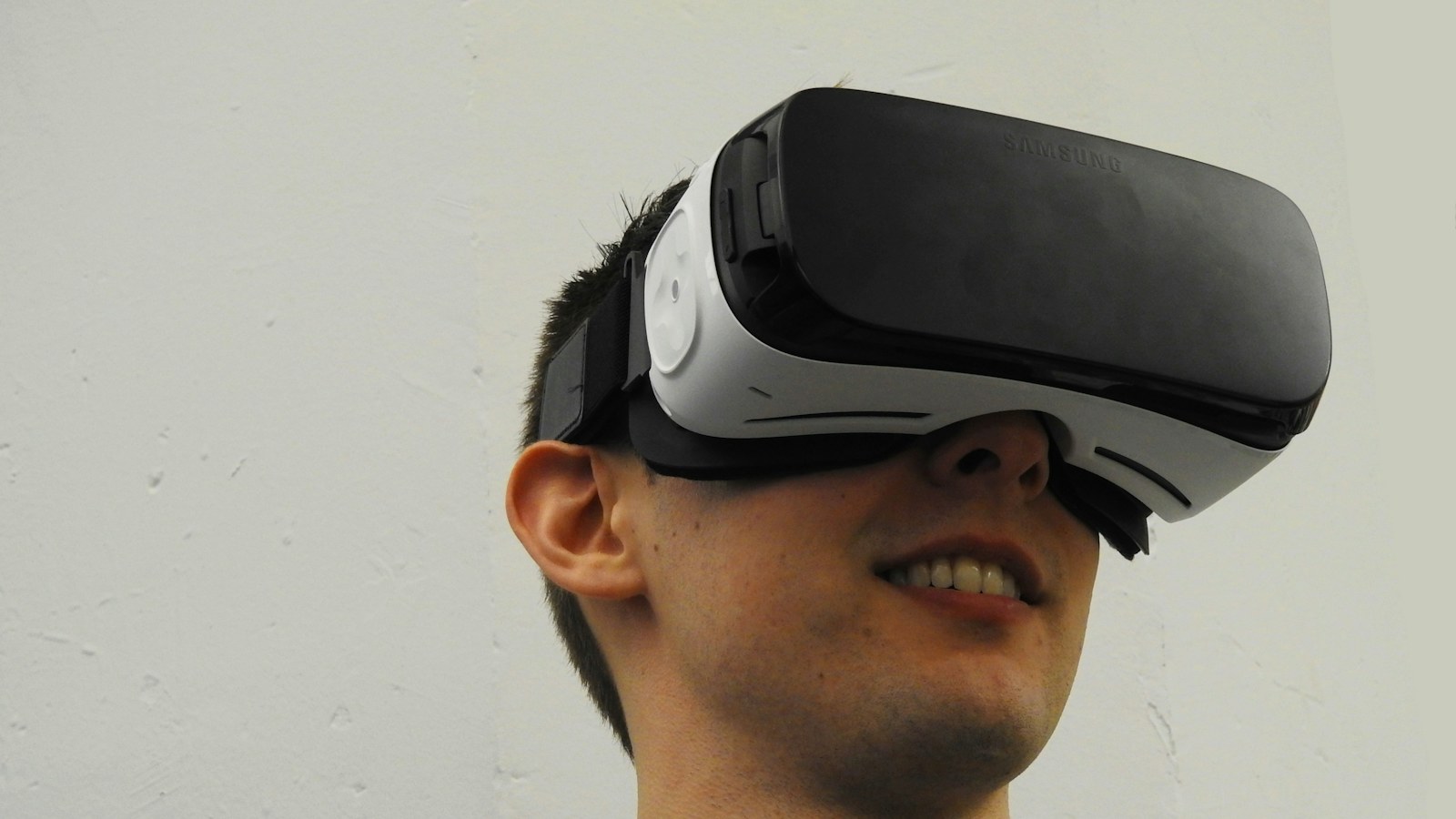
Photo: Hammer & Tusk / Unsplash
An AR or VR invention may involve a display arrangement, a calibration method, a tracking system, a particular interaction with physical space, or a computing improvement that changes rendering. The patent discussion needs that implementation rather than the general goal of an immersive experience.
Identify the headset, sensors, controllers, remote services, and software involved. Explain the sequence of operations and practical alternatives. We can discuss invention capture, searches, application preparation, prosecution, and priorities across hardware and software contributions.
Headset platforms, licensed engines, outside developers, research institutions, and content creators can bring different rights to the project. Identify which work the company owns and which components it licenses. Access to an SDK or development platform does not establish ownership of the underlying technology.
Public demonstrations, conference papers, app releases, videos, and partner testing can reveal technical features. Review the disclosure calendar alongside the development agreements. Software eligibility, prior art, adequate disclosure, and other parties' patent claims require distinct analysis.
Potentially. The particular technical implementation and proposed claims need assessment; an interaction concept by itself does not settle patentability.
Yes. Their technical relationship may be central to the contribution or reveal several inventions to prioritize.
Patent, copyright, trademark, and contractual rights address different assets. The actual technology and content need a coordinated review.
Book a Free Consultation to discuss your AR or VR technology and the patent questions affecting its next milestone.

Jeff Schell is a patent lawyer and entrepreneur who helps augmented reality inventors and virtual reality product teams obtain and defend patent rights for their product portfolios. He connects patent strategy with product development, commercialization, and business priorities.
Based in Denver and Boulder, Colorado, Jeff is the founder of Schell IP, which is part of Whiteford, Taylor & Preston, LLP.
Please share only a general description and your timing. Do not submit confidential invention details through this website. A consultation request does not by itself establish an attorney-client relationship.
Learn how the entrepreneurial experience and legal expertise of patent lawyer Jeff Schell provides highly unique advantages for our clients.